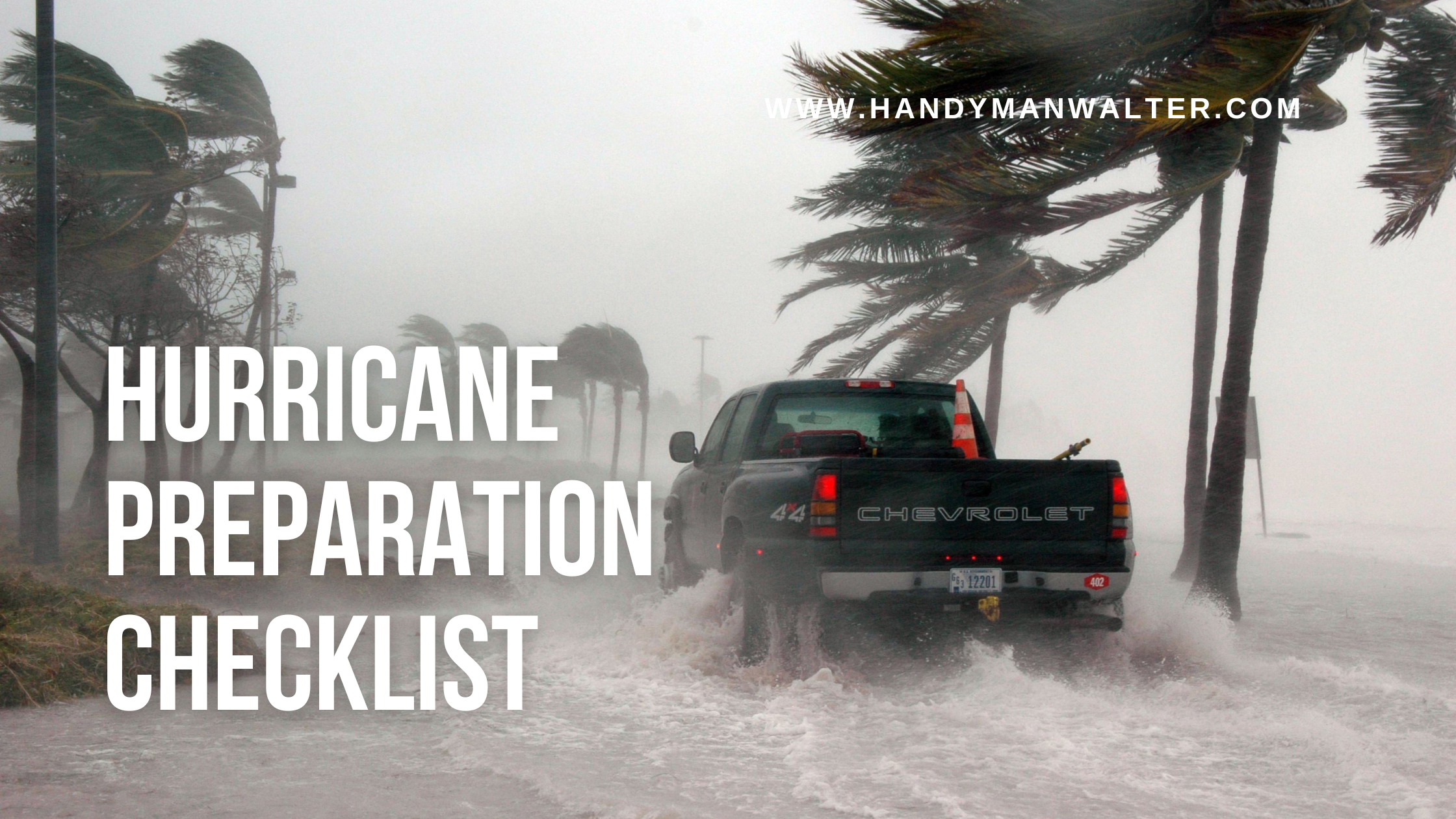
Complete Hurricane Preparation Checklist: Essential Home Maintenance for Tampa Bay Homeowners
Hurricane season in Florida arrives every year with the same certainty as summer humidity, but that doesn’t make the knot in your stomach any smaller when you hear “cone of uncertainty” on the weather forecast. If you’re wondering what home maintenance should I do to prepare my house for hurricane season in Florida, you’re not alone. Every Tampa Bay homeowner needs a reliable hurricane preparation checklist to face the challenge from June through November.
The difference between a home that weathers the storm and one that suffers costly damage often comes down to following a comprehensive hurricane preparation checklist. Simple maintenance tasks completed before a hurricane approaches can save thousands in repairs and protect your family’s safety. With Tampa Bay’s recent experience with powerful storms like Hurricane Milton and Hurricane Helene, the importance of proper preparation has never been clearer.
Note: Sometimes no matter how much we prepare, Mother Nature will simply get the best of us, but there are things we can do to improve our chances of recovery.
Start with Your Roof and Exterior
Your roof is your home’s first line of defense against hurricane-force winds and driving rain. I know climbing on the roof isn’t exactly how you planned to spend your Saturday, but a simple walk around your property can reveal issues before they become disasters. Look for loose or missing shingles, damaged tiles, or areas where flashing has pulled away from vents or chimneys. These small issues become major headaches when 100+ mph winds find weak spots to exploit.
Check your gutters and downspouts next. Clean out leaves, debris, and any buildup that could cause water to back up into your home. Ensure all gutter sections are securely attached to your house. During Hurricane Ian, many Tampa area homes suffered water damage simply because clogged gutters couldn’t handle the volume of rain.
Trim trees and remove any dead branches hanging over your roof or power lines. That beautiful oak tree in your yard becomes a liability when hurricane winds turn branches into projectiles. Focus especially on removing any limbs within 10 feet of your home’s structure. Yes, it might hurt to cut that branch your kids used to swing from, but hurricane winds can turn childhood memories into insurance claims.
Secure Windows and Protect Your Interior
Windows are among the most vulnerable parts of your home during a hurricane. If you have hurricane shutters, test them now to ensure they operate properly and all hardware is secure. For homes without permanent shutters, prepare pre-cut plywood panels that fit each window. Measure and mark each panel so installation goes quickly when a storm approaches.
Move furniture away from windows and sliding glass doors. Even if windows don’t break, the pressure changes during a hurricane can cause them to flex dramatically. Cover valuable items with plastic sheeting or tarps as an extra precaution against water intrusion. After the storm passes, you may need professional help with picture hanging and furniture assembly to get your home back to normal.
Take photos of each room in your home for insurance purposes. This documentation becomes invaluable if you need to file claims after storm damage. Store these photos digitally in cloud storage so you can access them even if your devices are damaged. If your home does suffer damage, you’ll likely need professional drywall repair and painting services to restore your walls.
Prepare Your Home’s Systems and Utilities
Test your generator if you have one, and ensure you have adequate fuel stored safely away from your home. Change the oil and run it for 15-20 minutes to confirm it’s working properly. Generator problems discovered during a power outage aren’t easily fixed.
Set your refrigerator and freezer to their coldest settings before a storm arrives. This helps food stay fresh longer if you lose power. Unplug other electronics to protect them from power surges when electricity is restored.
Clean and replace air conditioning filters. Your HVAC system will work harder during hurricane season, especially if you lose power and then need to cool your home quickly once it’s restored. Fresh filters improve efficiency and indoor air quality.
Essential Emergency Supplies Every Tampa Home Needs
Stock at least three days’ worth of water for each family member – one gallon per person per day for drinking and sanitation. Include your pets in this calculation. Store water in clean containers away from direct sunlight.
Gather non-perishable foods that don’t require cooking: canned goods, crackers, dried fruits, nuts, and protein bars. Don’t forget a manual can opener. Include special dietary items for family members with medical conditions or food allergies.
Prepare a comprehensive first aid kit with bandages, antiseptic, medications, and any prescription drugs your family needs. Include extra batteries for medical devices like glucose monitors or hearing aids.
Protect Important Documents and Communications
Create waterproof storage for essential documents: insurance policies, identification cards, bank records, and property deeds. Take photos of these documents and store them digitally as backup. Consider keeping copies with trusted friends or family outside the hurricane zone.
Charge all electronic devices and have backup power sources ready. Cell towers often lose power during storms, but communication becomes critical for coordinating with family and emergency services once the storm passes.
Keep cash in small bills available. ATMs may not work for days after a hurricane, and many businesses that do reopen immediately operate on a cash-only basis.
What Tampa Weather Experts Want You to Know
Tampa Bay sits in a particularly vulnerable location for storm surge, which often causes more damage than wind. Know your evacuation zone and have multiple routes planned to higher ground. Storm surge can arrive hours before the worst winds, catching many residents off guard.
Never wait until a hurricane watch is issued to begin preparations. Store shelves empty faster than you’d think possible, gas stations run out of fuel, and contractors become overwhelmed with panicked last-minute requests for storm shutters or tree trimming. The difference between being prepared and being sorry often comes down to starting early.
The National Hurricane Center emphasizes that hurricane effects extend far inland. Even if you live in Valrico, Brandon, or other areas away from the immediate coast, you’re not immune to damaging winds, flooding, and extended power outages.
When to Call Professional Help
Some hurricane preparation tasks require professional expertise. Electrical work like installing whole-house generators or checking your home’s electrical panel should always be handled by licensed electricians. Major roof repairs, tree removal near power lines, and structural improvements need qualified contractors. However, tasks like upgrading door hardware for security or preparing your home’s interior can often be handled by experienced handymen.
For routine maintenance like gutter cleaning, minor roof repairs, or securing outdoor items, Handyman Walter provides reliable service throughout the Tampa Bay area. Getting these tasks completed before hurricane season eliminates the stress of last-minute preparations.
Creating Your Hurricane Action Timeline
Begin serious preparation by May 1st, well before hurricane season officially starts June 1st. This gives you time to address any issues discovered during your home inspection without competing with other homeowners for contractors and supplies.
Six weeks before hurricane season: Complete major maintenance tasks like roof repairs, tree trimming, and HVAC maintenance.
Four weeks before: Assemble emergency supplies, test generators, and prepare your evacuation plan.
Two weeks before: Review your preparations, update emergency contact information, and ensure all family members know the plan.
When a storm threatens: Execute your plan calmly, knowing you’ve prepared thoroughly.
The Cost of Being Prepared vs. The Cost of Damage
Proper hurricane preparation might cost a few hundred dollars, but hurricane damage can easily reach tens of thousands. Insurance covers many storm-related losses, but deductibles for hurricane damage often run several thousand dollars. More importantly, preparation protects your family’s safety and provides peace of mind during stressful storm situations.
Tampa Bay has experienced significant hurricanes throughout its history, and meteorologists remind us that it’s not a matter of if another major storm will hit, but when. Being prepared isn’t just about protecting property – it’s about ensuring you and your loved ones can weather whatever nature brings your way.
Start your hurricane preparation checklist today. Your future self will thank you when the next storm warning is issued and you’re ready rather than scrambling at the last minute. For help with any home maintenance tasks on your hurricane preparation list, contact Handyman Walter at (813) 369-3627. Available in English and Spanish, Walter helps Tampa Bay homeowners get storm-ready with reliable, professional service.
Hurricane Preparation Home Maintenance Checklist
Important Note: If May has already passed, don’t wait for next year – today is always a good day to start preparing! Hurricane season runs through November 30th, and storms can develop quickly. Begin with the most critical items first.
6-8 Weeks Before Hurricane Season (April-May)
[ ] Inspect roof for loose shingles, damaged tiles, or compromised flashing
[ ] Clean gutters and downspouts; check all attachments are secure
[ ] Trim trees and remove dead branches within 10 feet of home
[ ] Test hurricane shutters or measure windows for plywood panels
[ ] Test generator and change oil; ensure adequate fuel storage
[ ] Replace HVAC filters and schedule system maintenance
[ ] Review and update homeowner’s insurance policy
4 Weeks Before Hurricane Season (May)
[ ] Stock 3-7 days of water (1 gallon per person per day)
[ ] Gather non-perishable food and manual can opener
[ ] Assemble first aid kit and check medication supplies
[ ] Collect important documents in waterproof containers
[ ] Take photos/video of home interior for insurance records
[ ] Charge backup batteries and power banks
[ ] Create family evacuation plan and communication strategy
When Storm Watch is Issued
[ ] Secure outdoor furniture, grills, and decorations
[ ] Install storm shutters or board up windows
[ ] Move indoor furniture away from windows
[ ] Set refrigerator/freezer to coldest settings
[ ] Fill vehicles with gas
[ ] Withdraw cash in small bills
[ ] Confirm evacuation route and destination
[ ] Monitor weather updates continuously
After the Storm
[ ] Wait for official all-clear before venturing outside
[ ] Check for downed power lines and structural damage
[ ] Document any damage with photos before cleanup
[ ] Contact insurance company if filing claims
[ ] Schedule professional repairs for roof, drywall, or painting damage
[ ] Reassemble furniture and rehang pictures safely
Print this checklist and keep it handy throughout hurricane season!